
Lantern Spacers Explained: Centralising Reinforcement in Piling Applications
In ground engineering, precision and positioning are everything. Whether working on piling, soil nailing or rigid inclusions, ensuring reinforcement is correctly centralised within the bore is critical to achieving design performance. This is where lantern spacers play an essential role.
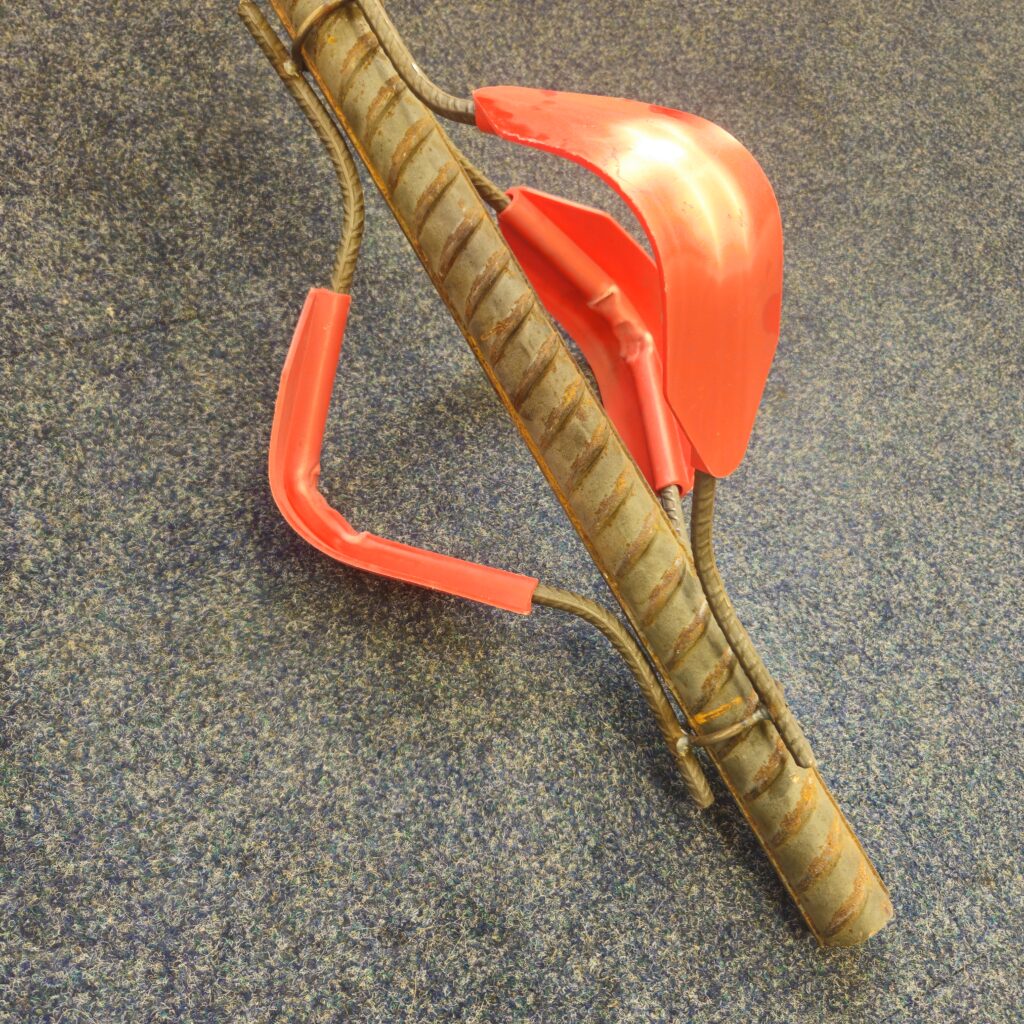
Lantern spacers are a temporary works solution designed to centralise single reinforcement bars during installation. They are widely used across a range of in-ground applications, including anchor piles for static load tests, central tension bars, raking piles and mini-piles. The reinforcement itself may vary depending on the project requirements, from traditional rebar through to hollow threaded bars, prestressing systems such as DYWIDAG, and GEWI steel threadbars.
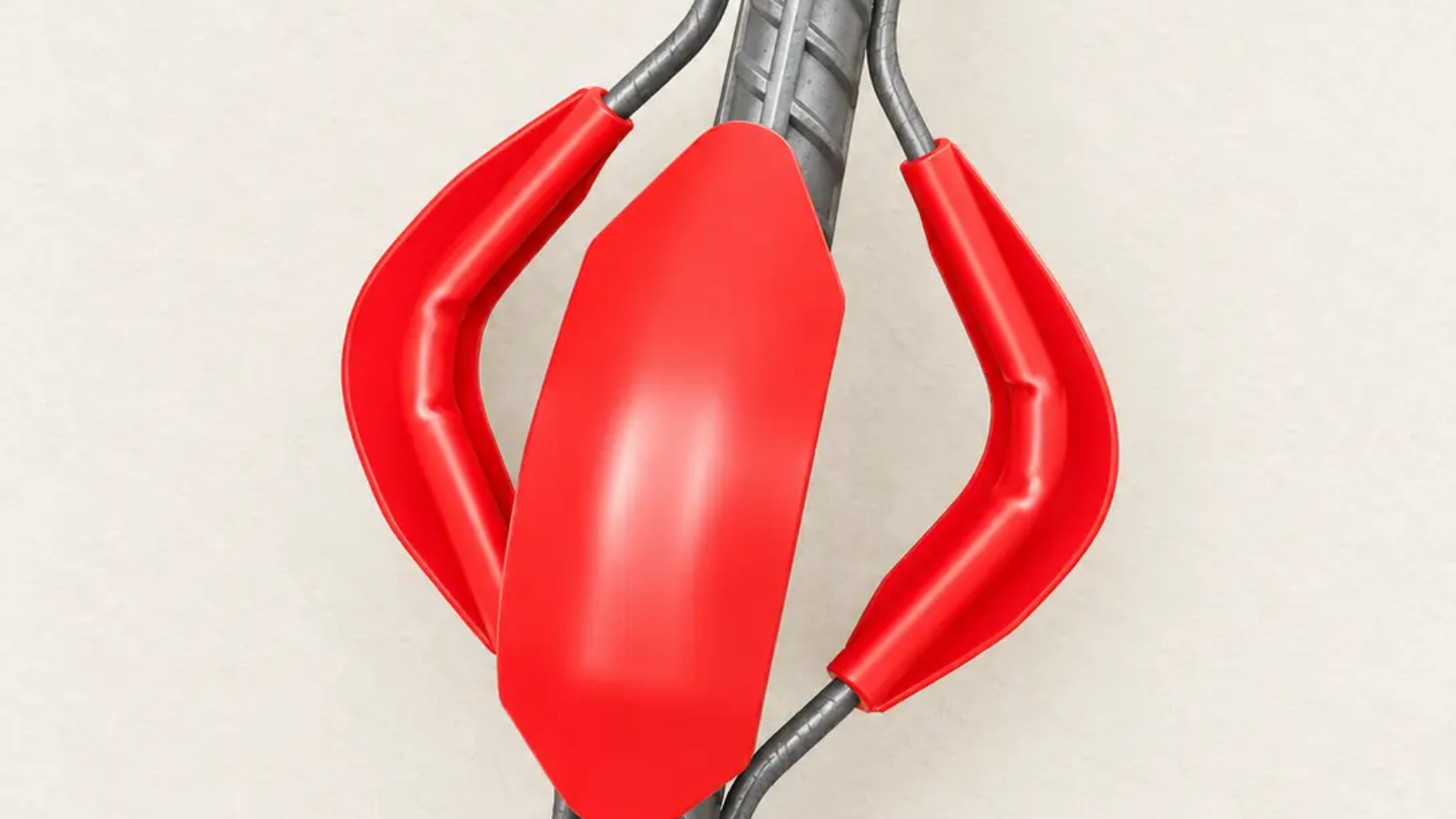
The design of a lantern spacer is simple but effective. Typically formed with three legs, the spacer holds the reinforcement bar in position, maintaining consistent cover and alignment within the bore. This helps ensure structural integrity, reduces the risk of eccentric loading, and supports overall construction quality.
Lantern spacers can be manufactured in both plastic and steel, with each offering distinct advantages depending on the application.
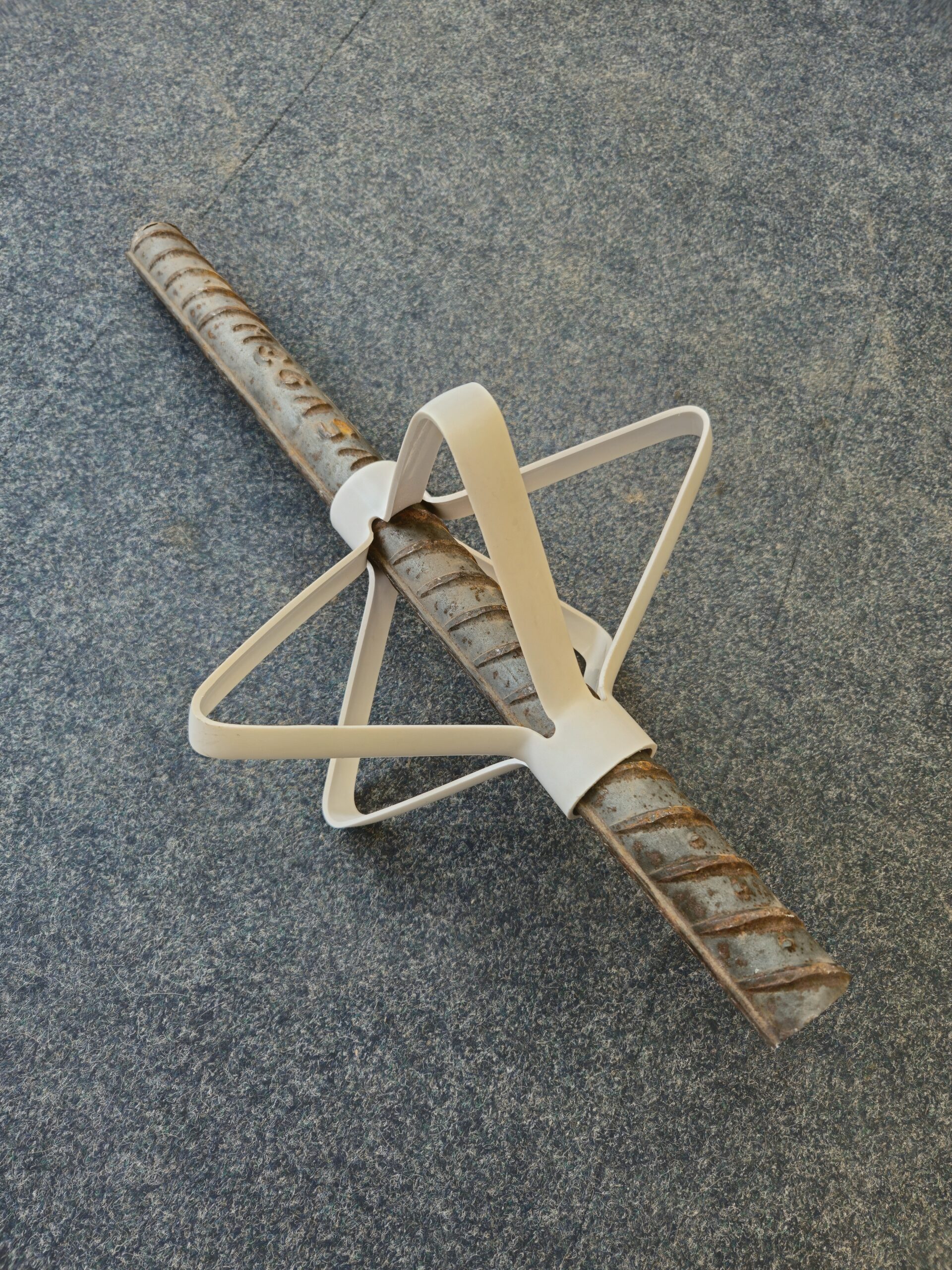
Plastic lantern spacers are usually made from tube that is cut and pressed into the required shape. They are a cost-effective option and can be produced quickly, making them ideal for projects where programme and budget are key considerations. However, they are generally better suited to smaller diameters (typically above 450mm) and can be more susceptible to damage when pushed into wet concrete.
Steel lantern spacers, on the other hand, are fabricated from rebar or other steel components such as rings, square hollow sections or tubes sized to suit the parent bar. Skid spacers are often welded on to form the legs, although for larger diameters, bent rebar (shape code 46) can be used to achieve the required size. Steel lanterns provide a more robust solution and are better suited to larger diameters or more demanding site conditions where durability is critical.
Installation methods also vary depending on the type of spacer used. Plastic lanterns are typically fixed using PVC tape or tying wire, while threaded bar systems can utilise nuts for a more secure connection.
Selecting the right type of lantern spacer is an important consideration and depends on factors such as bore diameter, site conditions, and the level of robustness required during installation. By ensuring reinforcement is accurately centralised, lantern spacers contribute to improved performance, reduced risk and better overall outcomes on site.
At F Brazil Reinforcements, we understand the importance of getting the details right. Our range of reinforcement solutions is designed to support efficient, high-quality ground engineering across a wide range of applications.
If you would like to discuss your project requirements or find out more about our products, get in touch with the team.